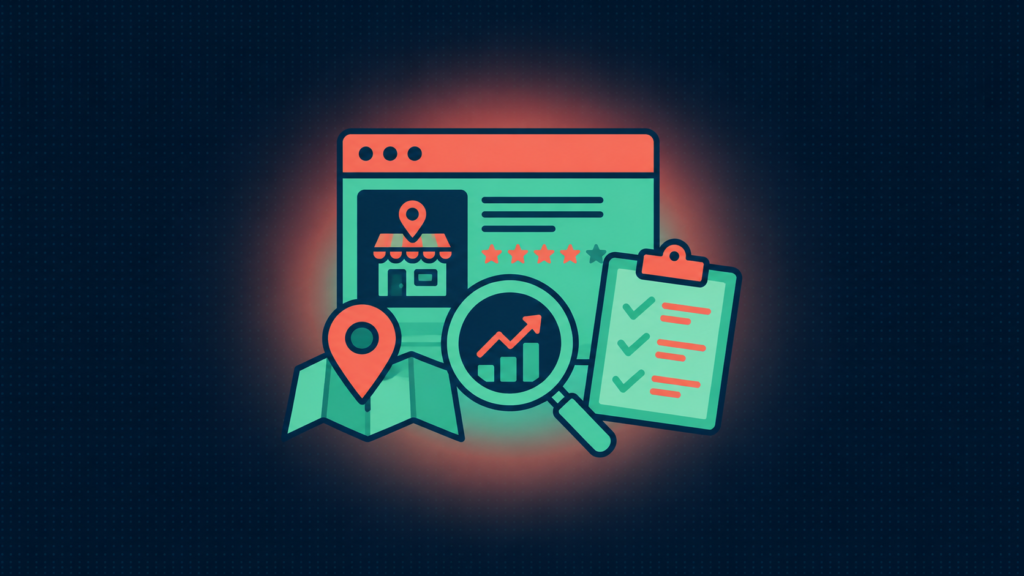

So, what exactly are ecommerce marketing services? Put simply, they are the specialized strategies and actions an agency uses to drive traffic, turn visitors into customers, and build lasting loyalty for your online store. Think of it less as a list of tasks and more as a coordinated system designed to transform your website into a reliable, revenue-generating machine.
What Are Ecommerce Marketing Services

Let's use an analogy. Imagine your ecommerce site is a brand-new shop on a bustling high street. If you just open up without any promotion, you're just a building with closed doors. Ecommerce marketing is everything you do to fling those doors open, create an irresistible window display, and guide people straight to the till.
This isn't about running a one-off ad or posting on social media whenever you remember. It's a complete system where every part works in harmony to achieve a few critical business goals:
- Attract the Right People: It’s all about drawing in potential customers who are genuinely looking for the products you sell.
- Turn Browsers into Buyers: This means optimising every click and page to make the buying process simple, intuitive, and compelling.
- Create Loyal Fans: The goal is to build relationships that convert one-time buyers into repeat customers who champion your brand.
An Ecosystem Built for Growth
Think of these services as different teams all working together towards the same goal. Search Engine Optimisation (SEO) is like securing the best possible location in town, making your shop impossible for anyone searching nearby to miss. Pay-Per-Click (PPC) advertising, on the other hand, acts as your eye-catching flyers and billboards, driving immediate interest from motivated shoppers.
Meanwhile, email marketing is your direct line to your best customers, letting you share exclusive offers that keep them coming back for more. And social media? That's your community outreach, building a vibrant group of followers who trust you and recommend you to their friends.
The ultimate goal is to create a seamless journey that guides a person from their first flicker of awareness all the way to a final purchase, and then keeps them engaged long after. Each service is a vital touchpoint along that path, making the whole system stronger.
To really get to grips with the modern toolkit, it’s worth reading A Modern Guide to E Commerce Advertising, which breaks down these core strategies. These principles are the building blocks of any successful digital storefront, whether you're a national brand or a local self-storage company looking for more online bookings.
More Than Just a Box-Ticking Exercise
What’s crucial to remember is that these aren’t standalone activities. A truly effective strategy weaves them all together. For instance, the keyword insights you gain from SEO research can supercharge your PPC ad copy, making your paid campaigns far more effective. That brilliant blog post you wrote can be shared via email and promoted on social media, pulling in traffic from all corners.
You can see a detailed breakdown of this synergy in our guide on content marketing for ecommerce. This interconnected approach ensures every pound in your marketing budget works harder, delivering a return that is far greater than the sum of its parts.
The Core Channels of Ecommerce Growth
Successful ecommerce marketing isn’t about just one thing; it's about making several different channels work together in harmony. Each one plays a unique role, and when they’re all in sync, they create powerful, sustainable growth for your business.
Think of your online store as a physical destination. These marketing channels are the different roads that lead customers right to your front door. Some are fast motorways for quick results, while others are scenic routes that build loyalty over time. To get a constant stream of visitors, you need all of them. Let's break down exactly what they are and what they do.
Search Engine Optimisation: The Foundational Map
Search Engine Optimisation (SEO) is all about making your online store impossible to miss on search engines like Google. It’s like getting your shop a prime spot on the high street, right where your ideal customers are already looking. When someone searches for "self-storage in East London" or "vegan leather tote bags," you want your site to be the first one they see.
Good SEO isn't a quick trick; it's a long-term investment in your brand's digital presence. It involves a few key areas:
- Technical SEO: This is the nuts and bolts of your website. It ensures your site's code and structure are clean and logical, so search engines can easily find and understand your content. Think of it as having a well-organised stockroom where everything is easy to locate.
- On-Page SEO: This means optimising individual product and category pages with the right keywords, compelling descriptions, and high-quality images.
- Off-Page SEO: This is about building your authority online. Earning links from other reputable websites tells Google that you're a trusted voice in your industry.
When you get this right, SEO delivers a steady stream of high-quality organic traffic, visitors who are actively searching for exactly what you sell. You can learn more by diving into our complete breakdown of ecommerce SEO best practices to build a stronger foundation.
Pay-Per-Click Advertising: The Express Lane to Visibility
If SEO is the long-term strategy, then Pay-Per-Click (PPC) advertising is the high-speed express lane. With PPC, you pay for ad placements at the very top of search results or on social media feeds, giving you instant visibility. It’s the digital equivalent of paying for a prime billboard on a busy motorway during rush hour.
This channel is incredibly effective for targeting specific groups of customers with pinpoint accuracy. A fashion brand, for instance, could show ads for a new summer collection to users who have recently searched for dresses. A self-storage business could run ads targeting people searching for "moving house storage solutions" within a five-mile radius of their facility.
PPC's core advantage is its speed and control. You can switch campaigns on and off, test different ad variations in real time, and get immediate data on what’s driving clicks and sales. It's an essential tool for new product launches, seasonal promotions, and capturing buyers at the very moment they’re ready to make a purchase.
Content Marketing: The Trusted Guide
Content marketing is about positioning your brand as the go-to expert in your field. Instead of just pushing products, you provide valuable information that helps customers make better decisions. This might be a blog post on "How to Choose the Right Size Storage Unit" or a video tutorial showing five different ways to style a scarf.
This approach builds tremendous trust and authority. When customers see you as a helpful resource, they are far more likely to buy from you when the time comes. Good content also fuels your other marketing efforts; a well-researched blog post can rank on Google (SEO), be promoted with ads (PPC), and be shared with your followers (social media).
Email Marketing: The Direct Conversation
Email marketing is your direct line of communication with your most engaged audience, the people who have already shown interest by subscribing. It’s like having a VIP list for your most loyal customers, allowing you to share exclusive offers, announce new products, and send personalised recommendations straight to their inbox.
A smart email strategy is one of the best ways to nurture leads and drive repeat purchases. Key tactics include:
- Welcome Series: Greet new subscribers with a short series of emails that introduce your brand story and perhaps offer a small incentive to make their first purchase.
- Abandoned Cart Reminders: Send a gentle nudge to customers who left items in their shopping cart, which often recovers what would have been lost sales.
- Segmented Campaigns: Send tailored offers based on a customer's purchase history or browsing behaviour. This makes your marketing far more relevant and effective.
Social Media Marketing: The Community Hub
Social media is where you build a real community around your brand. It's not just a place to broadcast ads; it's a space for two-way conversations, storytelling, and building genuine connections. Platforms like Instagram, Facebook, and YouTube let you show off your brand’s personality and build a loyal following.
For an ecommerce business, this means more than just posting product pictures. It's about sharing content from your customers, running engaging polls and competitions, and working with influencers who your target audience already trusts. In fact, research shows that 23% of consumers discover new products through social media ads, making it a crucial channel for both brand awareness and community building.
It's also important to remember that mobile commerce is rapidly changing how these channels work. The UK ecommerce market is projected to see smartphones account for 54.12% of all B2C transactions by 2025, growing at an impressive 10.19% annually. For any business, from a new ecommerce brand to an established self-storage company, tapping into this trend is vital. This is especially true when you consider that search engines like Google drive 38% of all product discoveries. You can discover more about these market shifts and how to prepare your business by exploring the latest UK ecommerce intelligence reports.
Conversion Rate Optimisation: The Path to Purchase
Finally, there’s Conversion Rate Optimisation (CRO). This is the ongoing process of refining your website to make the journey from casual visitor to paying customer as smooth as possible. It's about optimising your store's layout, checkout process, and product pages to remove any friction that might make someone give up and leave.
Think of it as being the perfect shopkeeper. You make sure the aisles are clear, the products are easy to find, and the checkout is quick and painless. Even small changes, like improving your site's loading speed or simplifying a contact form, can lead to a significant increase in sales over time.
Building Your Revenue-Focused Marketing Roadmap
Knowing which marketing channels exist is one thing. Actually turning that knowledge into a practical plan that generates real revenue? That's the game-changer. A winning strategy isn't about throwing things at the wall to see what sticks; it’s about having a structured roadmap that prioritises what will make the biggest impact, first.
Think of it like building a house. You have to pour a solid concrete foundation long before you start worrying about walls, let alone picking out paint colours.
A proper e-commerce marketing roadmap follows a logical order, making sure you put your money where it’s going to deliver the best return. It breaks the whole process down into clear, manageable stages. This stops you from blowing your budget on fancy, advanced tactics before you’ve even got the basics right. Every step builds on the last, creating a stable and scalable engine for growth.
This visual shows how core channels like SEO, PPC, and social media all work together to support your main business goals.

As you can see, while each channel has its own job to do, they all point towards a central growth objective. This really drives home the need for a joined-up approach.
The Foundation Phase: Your First Steps
The journey always starts with a thorough audit. Before you even think about launching a new campaign, you need an honest look at your website's current health. This first stage is all about fixing the underlying issues that will sabotage your efforts later on. It’s like a mechanic running a full diagnostic check on a car before trying to make it go faster.
Key activities in this phase include:
- Technical SEO Audit: We're hunting for and fixing problems like slow page speeds, broken links, or a clunky mobile experience. These things kill user experience and tank your search engine rankings.
- Website Health Check: This ensures your site is secure, easy to get around, and that the path from landing page to checkout is totally seamless.
- Competitor Analysis: We need to understand what your competitors are doing well, and more importantly, find the gaps in the market you can swoop in and own.
We see this all the time: a business invests heavily in PPC ads, sending floods of traffic to a slow, confusing website. It’s like spending a fortune on beautiful flyers for a shop with a broken door, you're just wasting money because the foundation isn't ready.
The Growth Phase: Attracting and Converting Customers
Once your foundation is rock-solid, it’s time to start building upwards. The Growth phase is all about actively getting in front of your target audience and turning them into paying customers. This is where you strategically use channels like SEO and PPC to capture existing demand and drive good-quality traffic to your now-optimised site.
For example, a self-storage business would zero in on:
- Local SEO Optimisation: Making sure their Google Business Profile is completely up-to-date with the right info, good photos, and plenty of positive reviews. This is crucial for showing up in local map searches.
- Targeted PPC Campaigns: Running ads that target people actively searching for terms like "storage units near me". This captures high-intent leads who are ready to buy right now.
- Helpful Content Creation: Writing blog posts that answer common questions, like "What size storage unit do I need?". This gets you on their radar much earlier in the decision-making process.
The Scaling Phase: Optimising for Maximum Revenue
With a steady flow of traffic and sales coming in, the final phase is all about scaling that success. Here, we refine your strategies to squeeze every last drop of profitability out of them and increase customer lifetime value. The focus shifts to Conversion Rate Optimisation (CRO) and smart automation. You can learn more about how to increase conversion rates in our detailed guide on the topic.
This stage is all about data-driven testing to improve every single part of the customer journey, from your ad copy right through to the final click on the checkout page. By making lots of small, incremental improvements, you can massively boost your overall return on investment. This structured, phased approach is what turns your marketing from a random list of tasks into a powerful, predictable revenue-focused roadmap.
Want a free audit like this for your own site?
We'll show you exactly what's holding your rankings and conversions back. No sales pitch.
Get My Free AuditHow to Choose the Right Ecommerce Marketing Agency
Choosing an agency to handle your ecommerce marketing is a big deal. It’s not like hiring a simple supplier; you're handing over the keys to a crucial part of your business's future. Get it right, and you’ve got a growth partner who’s as invested as you are. Get it wrong, and you’re looking at wasted budgets and stagnant growth.
So, how do you make the right call? It comes down to looking past the slick sales pitches and digging into what really matters: proven experience, clear communication, and goals that line up perfectly with yours. You're looking for a team that not only gets your vision but has the chops to make it happen.
The whole process kicks off with asking the right questions. Before you even think about signing a contract, you need to be sure that an agency is the right fit for your business, whether you're a household name or a local self-storage company.
Vetting Your Potential Agency Partner
Before you commit, you absolutely have to put any potential agency through its paces. Think of it like a final-round interview for a key role in your company, because that's exactly what it is. Your mission is to verify their claims, get a feel for how they work, and make sure their entire approach clicks with what you’re trying to achieve.
A great place to start is by asking for proof. Any agency worth its salt will be eager to show you case studies and success stories. But don't just glance at the impressive final numbers. Ask about the journey, the challenges they hit along the way and the specific strategies they used to knock them down.
Here are a few essential questions to get you started:
- Can you show me case studies from my industry? This is huge. If they have experience in your niche, like self-storage or B2B ecommerce, they’re already halfway there. It means they won't be learning the basics of your audience on your dime.
- Who will I be talking to every day? You need to know their team structure and how they communicate. A single, responsive point of contact can make all the difference between a smooth partnership and a frustrating one.
- How do you actually measure and report on success? You want an agency that obsesses over revenue-driving metrics like Return on Ad Spend (ROAS) and Customer Acquisition Cost (CAC), not just vanity metrics like website traffic.
- What does your onboarding process look like? A well-defined onboarding plan is a great sign. It shows they're organised, professional, and serious about getting to know your business inside and out from day one.
At Amax Marketing, our whole approach is built on data and collaboration. We believe in total transparency, which means you get clear, regular reports that draw a straight line from our work to your bottom line.
Understanding Agency Pricing Models
Figuring out how agencies charge for their services is key to setting a realistic budget and managing expectations. The price tag isn't just a number; it’s a reflection of the value they bring and the kind of relationship you'll have.
Most agencies stick to a few common models, and each has its ups and downs. Getting your head around these will help you pick a structure that works for your cash flow and your growth targets.
A great agency relationship is a partnership, not just a transaction. The pricing model should support a collaborative environment where both parties are invested in achieving tangible, long-term success for the business.
Let’s break down what you're likely to see.
Comparing Agency Pricing Models
Understand the pros and cons of common pricing structures to find the best fit for your ecommerce business.
| Pricing Model | Best For | Pros | Cons |
|---|---|---|---|
| Monthly Retainer | Ongoing, long-term marketing like SEO, content, and PPC management. | Predictable monthly cost, fosters a deep agency partnership, allows for strategic planning. | Can feel expensive if short-term results are slow; scope creep can be an issue. |
| Project-Based Fee | One-off tasks with a clear start and end, like a website rebuild or a technical SEO audit. | Fixed price and clear deliverables, so no budget surprises. Great for specific, defined needs. | Not ideal for ongoing strategy; can feel transactional and lack a long-term view. |
| Performance-Based | Businesses with clear conversion goals that are comfortable sharing risk and reward. | The agency is directly motivated by your success. You only pay for tangible results. | Can be complex to set up and track; may encourage a focus on short-term wins over brand building. |
Ultimately, the right model comes down to your immediate needs and where you want to be in a year or two. For steady, sustainable growth, a monthly retainer often delivers the most value by building a real partnership. For hitting a specific, short-term goal, a project-based fee gives you clarity and control.
The most important thing is finding a partner who is transparent and flexible. You should always know exactly what you’re paying for and the value it’s bringing back to your business.
Measuring Success with KPIs That Actually Matter

It’s incredibly easy to get lost in a sea of numbers with e-commerce marketing. You see social media likes climbing, page views soaring, and email open rates looking healthy. They feel good, but do they actually pay the bills?
These are often called "vanity metrics" for a reason, they look impressive on the surface but don't tell you anything about the real health of your business. To truly understand what's working, you need to focus on Key Performance Indicators (KPIs) that are directly wired to your bottom line. These are the numbers that show if your investment is paying off, helping you make smart decisions about where to put your budget for maximum growth.
Customer Acquisition Cost (CAC)
Simply put, Customer Acquisition Cost (CAC) is what you spend, on average, to get one new customer through the door. You calculate it by dividing your total marketing and sales costs over a set period by the number of new customers you won in that same timeframe.
Think of it as the price tag on each new customer. If you spend £1,000 on a campaign and it brings in 10 new customers, your CAC is £100. This figure is crucial because it tells you if your marketing is sustainable. A low CAC is a sign of an efficient, profitable machine.
Customer Lifetime Value (CLV)
The perfect partner to CAC is Customer Lifetime Value (CLV). This metric predicts the total revenue you can expect from a single customer over the entire course of their relationship with you. A healthy business model always has a CLV that is much higher than its CAC.
For example, if it costs you £100 to acquire a customer (your CAC) but that customer goes on to spend £500 with you over their lifetime (your CLV), you have a winning formula. This insight is gold dust; it helps you figure out how much you can afford to spend on winning new business while also guiding your customer retention strategy.
Conversion Rate
Your Conversion Rate is the percentage of website visitors who take the action you want them to, which, for an e-commerce store, is almost always making a purchase. If 100 people visit your website and two of them buy something, your conversion rate is 2%.
This is one of the most vital health checks for your online shop. It directly measures how good your website and product pages are at persuading browsers to become buyers. It’s the primary focus of Conversion Rate Optimisation (CRO), where small, strategic tweaks can lead to massive gains in revenue.
Focusing on conversion rate changes your entire mindset. Instead of just chasing more traffic, you start making the traffic you already have work harder. Every visitor becomes more valuable.
Average Order Value (AOV)
Average Order Value (AOV) tracks the average amount of money spent every time a customer places an order. Just divide your total revenue by the number of orders, and you have your AOV. This gives you a fantastic snapshot of your customers' buying habits.
Increasing your AOV is one of the fastest ways to grow revenue without needing a single extra visitor. Strategies like upselling, cross-selling product bundles, or offering free shipping over a certain threshold are all designed to push this number up.
Return on Ad Spend (ROAS)
Finally, there's Return on Ad Spend (ROAS). This is the ultimate test of profitability for your paid ads. It shows you exactly how much revenue you're generating for every pound you spend on advertising.
A ROAS of 5:1 means you earn £5 in revenue for every £1 spent. Understanding how to properly improve marketing ROI is absolutely essential for any business investing in paid media. This KPI tells you if your campaigns on Google and Facebook are actually making you money, ensuring your ad budget is pulling its weight.
Keeping a close eye on these KPIs is always important, but it’s even more so as markets change. For instance, recent data shows a big jump in cross-border e-commerce in the UK, with sales growing 4% year-on-year even while domestic growth slowed. This opens up huge opportunities for businesses, including self-storage owners and SMEs, to tap into international markets where sharp SEO and PPC strategies are vital for capturing global demand. You can read the full research on the UK's state of commerce and its future trends.
Ready to Grow? Let’s Talk Strategy.
Growing an online business in today’s market isn't about throwing tactics at the wall and hoping something sticks. It’s about having a smart, integrated marketing plan. We’ve walked through the roadmap in this guide, and if you’re looking for a partner to help you navigate it, that’s where Amax comes in.
For over a decade, our London-based team has been in the trenches with SMEs, ambitious startups, and even specialised sectors like self-storage facilities, helping them solve their toughest growth challenges.
We see marketing as a growth engine, not a cost centre. Everything we do is driven by data. This approach is critical right now, especially when you look at the numbers. The UK ecommerce market is on track to hit an incredible £224 billion by 2025, making it the third-largest in the world. That’s a massive opportunity for any brand that can get its digital presence right. You can dig into the specifics in the complete UK ecommerce forecast.
At Amax, our job is simple: connect your brand with that growing audience. Whether you're a local self-storage business or a nationwide retailer, we focus on what really moves the needle, measurable results and a clear return on your investment.
Take the Next Step
The first move is always to understand where you stand right now. We're offering a complimentary marketing audit to show you exactly that. Our experts will dive into your current setup and give you a personalised analysis, pointing out the biggest opportunities for growth.
Let’s start building your success story together. Claim your free audit today.
Frequently Asked Questions
It’s completely normal to have a few questions when you’re looking into ecommerce marketing. To help you out, we’ve put together some straight-talking answers to the questions we hear most often.
How Long Does It Take to See Results from Ecommerce Marketing?
This is the big question, and the honest answer is: it depends on the channel.
Think of PPC advertising as a tap you can turn on for instant traffic. You can get visitors and sales flowing almost right away, which is fantastic for quick wins or testing out a new product.
SEO, on the other hand, is more like planting a tree. It’s a long-term investment in building something strong and sustainable. You’ll usually start to see real, meaningful movement in your organic rankings and traffic within four to six months. A smart strategy uses both, PPC for immediate results while your SEO builds lasting authority in the background.
What Is a Realistic Marketing Budget for a Small Business?
There’s no magic number here. A "one-size-fits-all" budget just doesn’t work because the right amount really comes down to your goals, your industry, and how fierce the competition is. Instead of pulling a figure out of thin air, the best place to start is with a proper marketing audit.
An audit gives you a clear, data-backed picture of where you stand right now. It pinpoints which channels will give you the best bang for your buck, so your budget is invested intelligently, not just spent on guesswork.
Can My Niche Business Benefit from These Services?
Absolutely. In fact, niche businesses often get the best results from focused ecommerce marketing. It’s all about precision.
Strategies like targeting very specific long-tail keywords in your SEO or creating laser-focused PPC ads for a small, passionate audience can be incredibly effective. When you create content that solves a unique problem for a defined group of people, you build a level of trust that mainstream brands can only dream of. A specialist agency knows how to find those pockets of high-value customers and turn them into loyal fans.
Should I Hire an Agency or Build an In-House Team?
While you could build your own team, partnering with a good agency gives you a huge head start. You get instant access to a whole crew of specialists in SEO, PPC, CRO, and more, which is almost always more cost-effective than hiring for each role individually.
Beyond the cost savings, an agency brings a wealth of experience from working across different industries and challenges. They already have the expensive tools, the proven playbooks, and the strategic insight to get you growing much faster than if you tried to figure it all out from scratch.
Ready to stop guessing and start growing? The team at Amax Marketing is offering a complimentary marketing audit to show you exactly where your biggest growth opportunities are hiding.